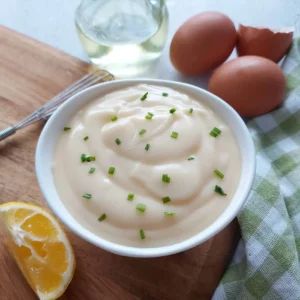
This delightful, silky Classic Mayonnaise Recipe is a cinch to make and makes everything taste better. Trust me, the next time you reach for that store-bought mayonnaise, you’ll probably think twice and make a fresh batch instead!
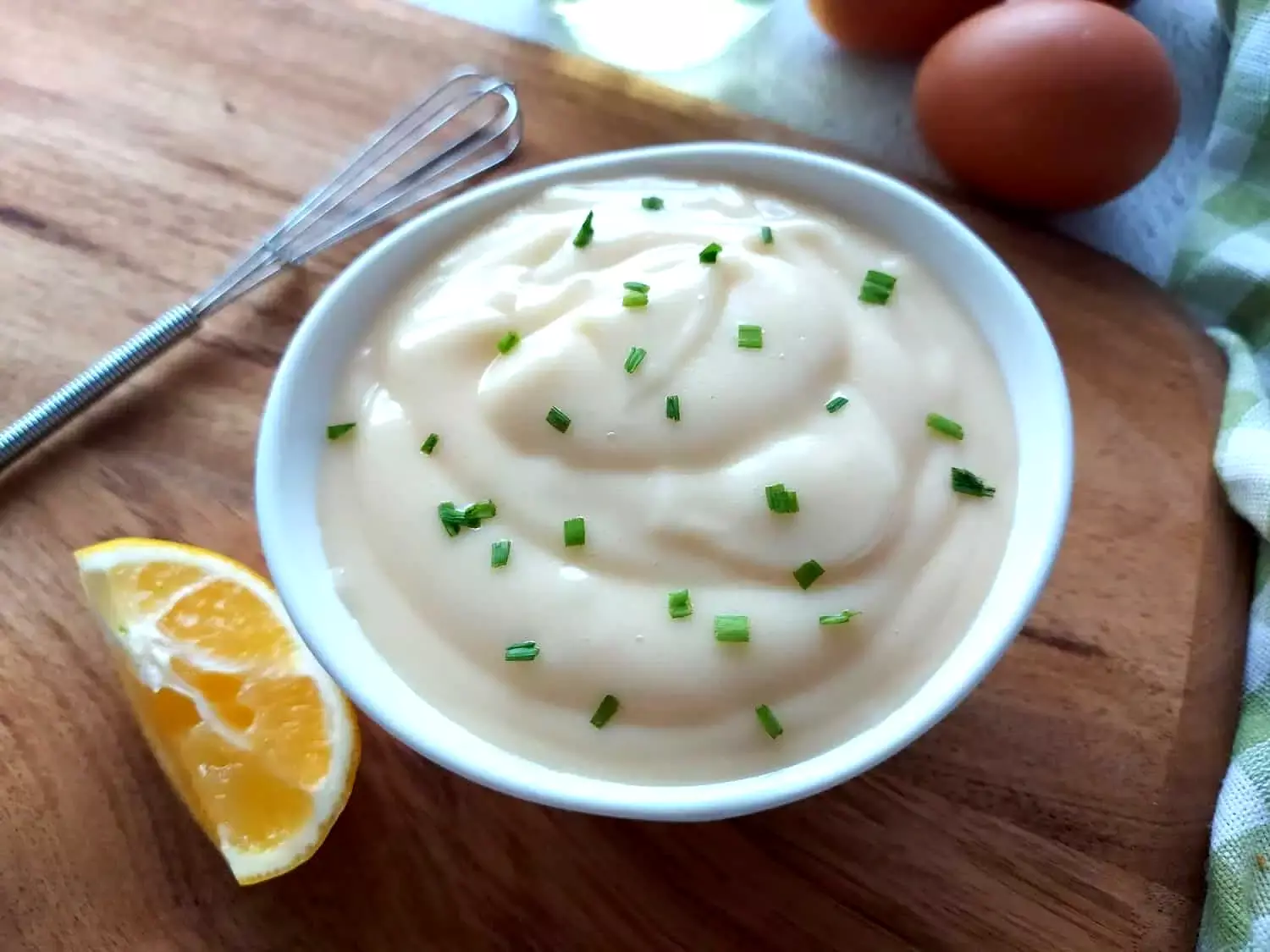
Simple and Creamy Homemade Mayonnaise
Mayonnaise is one of those basic sauces that we grab for just about everything, and it always seems to come in handy. It sneaks its way into sandwiches, salads, dips, and dressings without us even thinking about it. And once you learn how easy it is to whip it up yourself using my Classic Mayonnaise Recipe, you might start reaching for your homemade batch even more.
That’s why having a quick, reliable homemade version in your back pocket is such a game-changer. This Classic Mayonnaise Recipe is easy to throw together, and it adds such amazing flavor that you’ll find yourself using it in just about everything!
With only a handful of basic ingredients, you end up with something fresh, creamy, and so much tastier than any store-bought versions that these will no longer stand a chance!
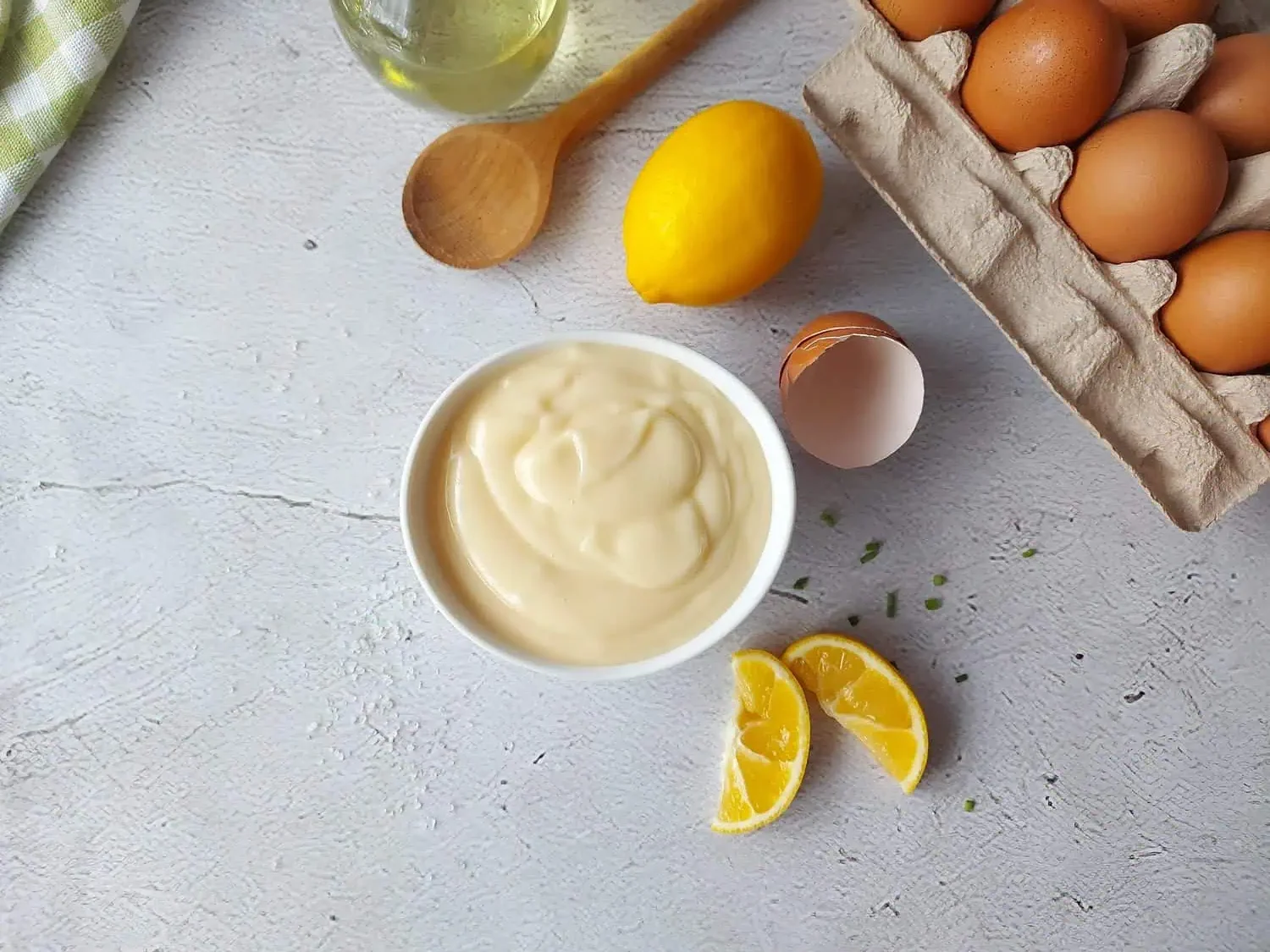
How to Use This Classic Mayonnaise Recipe
I always have a jar of this homemade mayo ready in my fridge, and I make it almost every single week. I really don’t think I could manage without it!
It comes in handy whether we want to use it on our favorite chicken salad, in a cozy bowl of potato salad, for a quick tuna salad, a creamy macaroni salad, or a simple egg salad sandwich. The uses of this mayonnaise are endless!
And you can even turn it into an irresistible aioli garlic mayonnaise in seconds and spread it over a delicious juicy burger, a crunchy batch of potatoes, or a fresh green salad.
Honestly, with so many options, you should seriously consider making a double batch! I know I do!
And since you can stash it in the fridge for up to a week, you’ve got plenty of wiggle room to enjoy it throughout the week, without feeling rushed, whenever you need a quick boost of flavor.
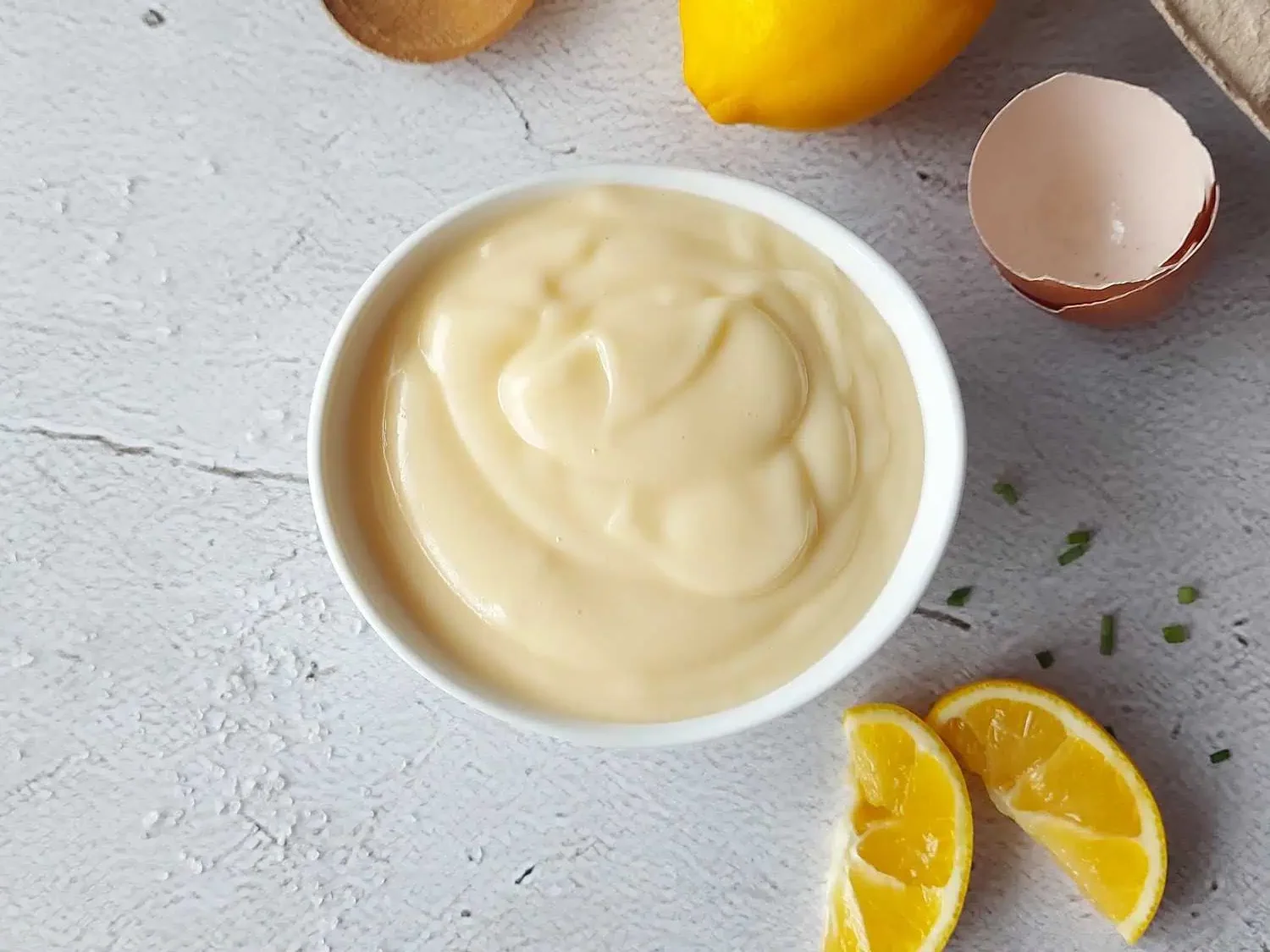
Variations & Ingredient Substitutions
Whole Eggs Instead of Yolks
You can also make mayonnaise using whole eggs. Just keep in mind that the texture will be noticeably runnier. I personally love a rich, velvety mayo made only from yolks – that’s the version I grew up with – but that’s just my personal choice.
Vinegar Instead of Lemon Juice
Fresh lemon juice gives the mayo a bright flavor, but you can easily swap it for white wine vinegar or simple white vinegar. Each one brings a slightly different acidity, so choose the one that matches the flavor profile you’re going for.
Skip the Lemon Juice or Vinegar
If you want your mayo to be completely neutral, you can skip the lemon juice or vinegar altogether. Keep in mind, though, that these acids enable more fat absorption, creating a more stable emulsion. Also, the acid creates a hostile environment for bacteria, enhancing food safety and shelf life. However, even if you skip the acid, the mustard, which keeps the oil and water from separating, also helps create a creamy, more stable texture.
Oil Variations
I like mild oils when making mayonnaise, so I always reach for a neutral-flavored oil – something like avocado oil, grapeseed oil, sunflower oil, or canola oil. These let the flavor stay light and balanced. Extra-virgin olive oil, while delicious in many dishes, can make mayonnaise taste bitter.
However, if you’re making aioli (garlic mayonnaise), that bit of bitterness is actually part of the authentic flavor. In that case, extra-virgin olive oil or regular olive oil is exactly what you want.
Seasonings
You can get as creative as you want, but here are a few variations I recommend: add smoked paprika, fresh or roasted garlic, fresh herbs (parsley, chives, dill, basil, mint, tarragon, cilantro), lemon zest, chili flakes, Tabasco, Sriracha, Harissa, cayenne pepper, etc. Start with small amounts and taste as you go.
Consistency
You can adjust the consistency of the mayonnaise and make it exactly the way you like.
Keep it on the thicker side, and it will work beautifully as a sauce, spread, or dip. Or thin it out, and you’ve got the perfect dressing to drizzle over your favorite salads or dishes.
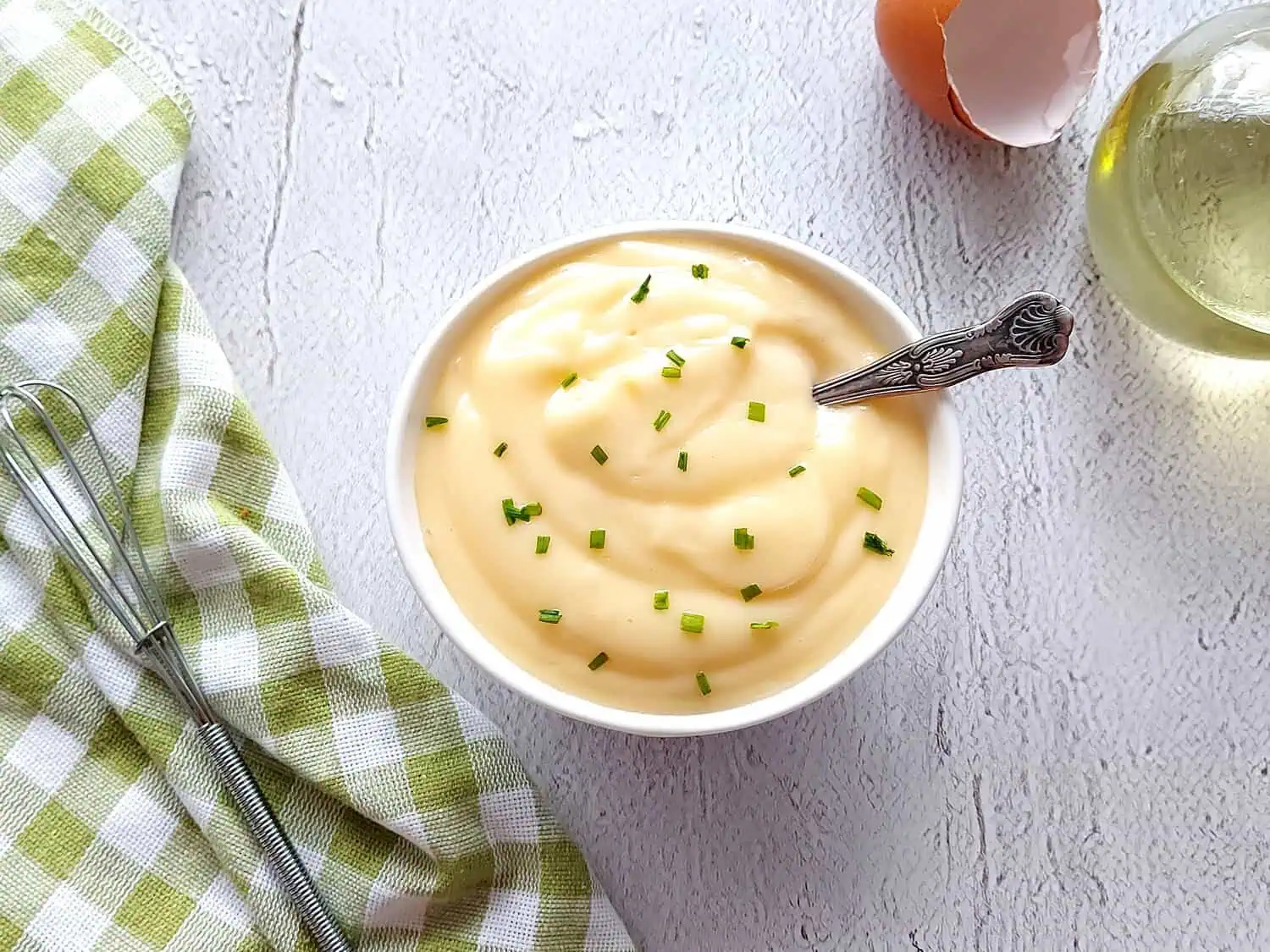
Tips for Perfect Homemade Mayonnaise
After making this classic mayonnaise recipe more times than I can count, here are my best tips for making the best homemade mayonnaise every time:
– Fresh Ingredients – Always start with fresh ingredients, especially the eggs (!)
– Add the oil VERY SLOWLY – At first, add just a few drops, and halfway through, pour it in a thin stream; otherwise, your mayo could break.
– Whisk/stir constantly – Keep mixing continuously while adding the oil in a steady stream.
– Use a neutral oil – For a light, balanced flavor, stay away from extra-virgin olive oil as it will overpower your mayonnaise. Use avocado, grapeseed, sunflower, or canola oil instead.
– Adjust the consistency – If you want a runny mayonnaise, add 1-2 tablespoons of fridge-cold soda (or regular) water to thin it out. For a thicker mayonnaise, skip the water. If your mayo is too thin, keep adding more oil until it has the consistency you prefer.
 How to Store Homemade Mayonnaise
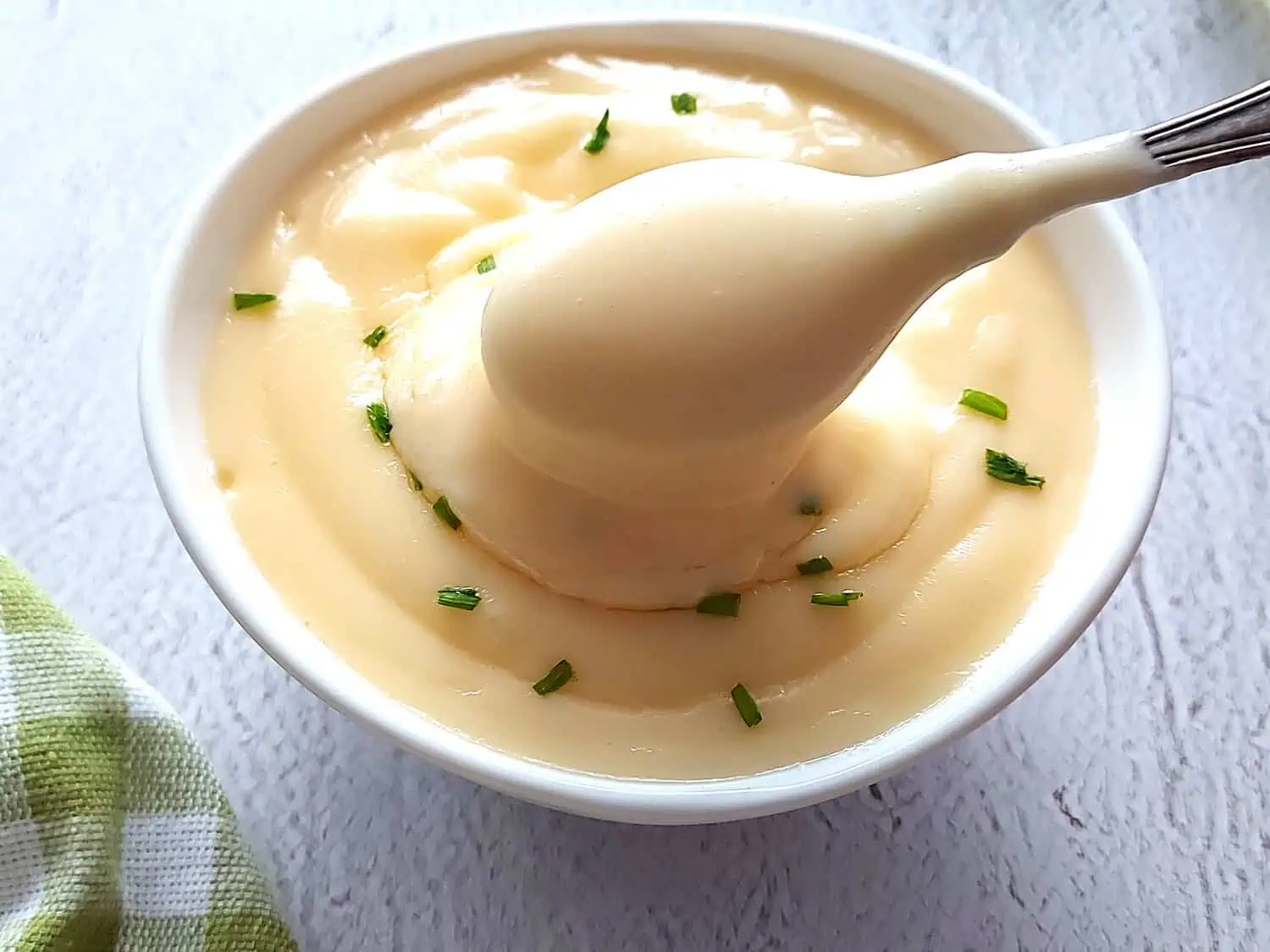
Fridge
You should always store your homemade mayonnaise in a clean airtight container or glass jar in the refrigerator. It will usually keep for up to 5-7 days, depending on the freshness of your eggs and cleanliness during preparation.
Here are my best tips to keep your mayonnaise fresh and safe:
– Refrigerate immediately after making it.
– Store in the coldest part of the fridge (not in the door!).
– Use a clean spoon each time to avoid contamination.
– If the mayo separates slightly, gently stir it back together.
– If it develops an off smell, changes color, or becomes too runny, discard it and make a fresh batch.
Freezer
Unfortunately, mayonnaise is not a good candidate for freezing. Because it’s an emulsion, ice crystals form during freezing and break it apart when thawed. So you end up with a watery, curdled, oily mess, and the texture and flavor are completely ruined.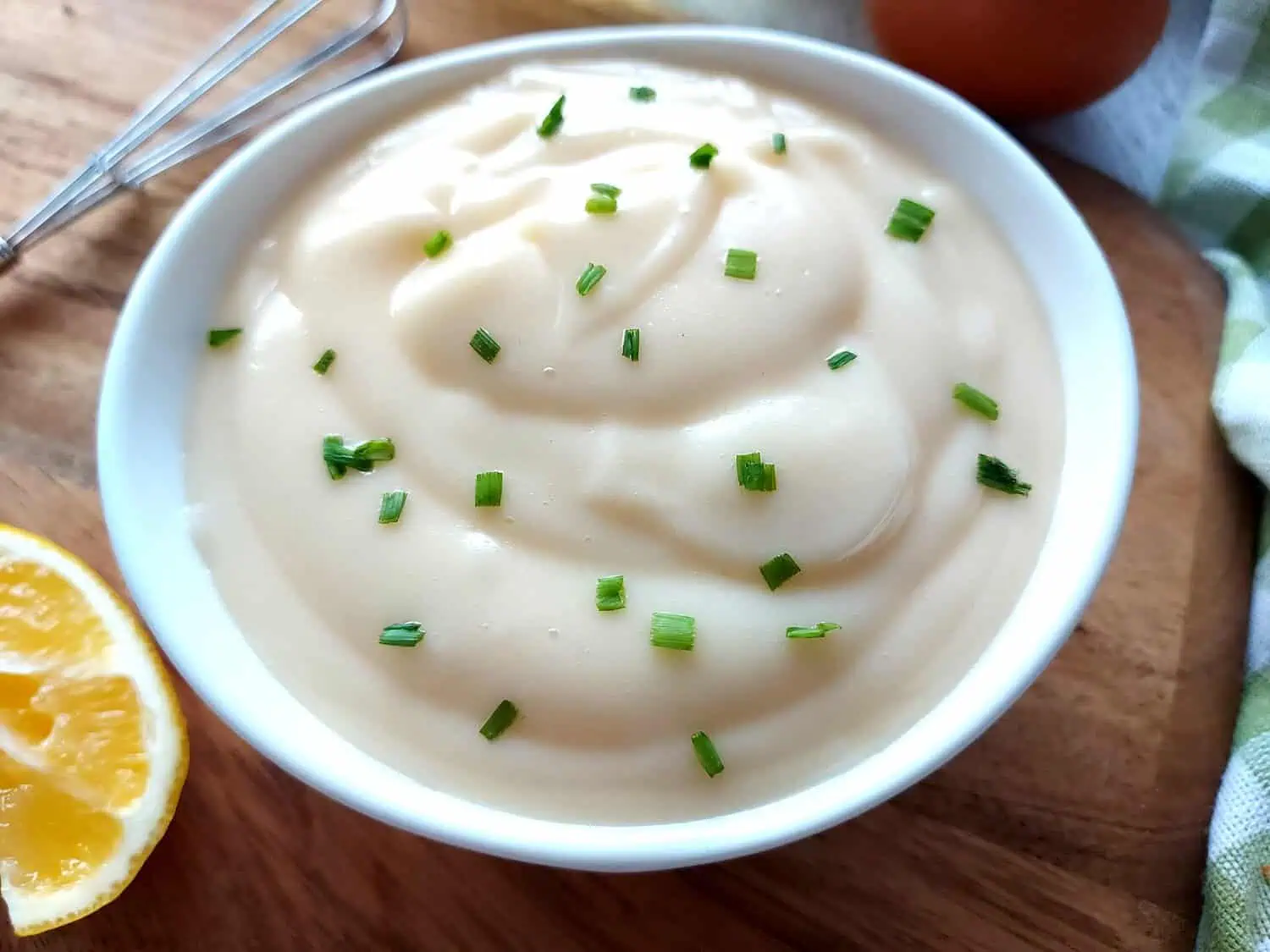
How to Fix Broken Mayonnaise
If you accidentally end up with broken mayo – it happens to everyone, don’t panic! – you can repair it in no time, so nothing goes to waste. It’s actually easier than you might think! With just a little patience, you’ll have your creamy spread back in no time. Here’s how to do it:
Place a fresh egg yolk in a clean bowl, then slowly whisk/mix your broken mayonnaise a few drops at a time to restore the emulsion. Keep whisking/mixing until you have incorporated all your broken mayonnaise. Your mayo will come together and thicken right back up!
Ingredients for This Classic Mayonnaise Recipe
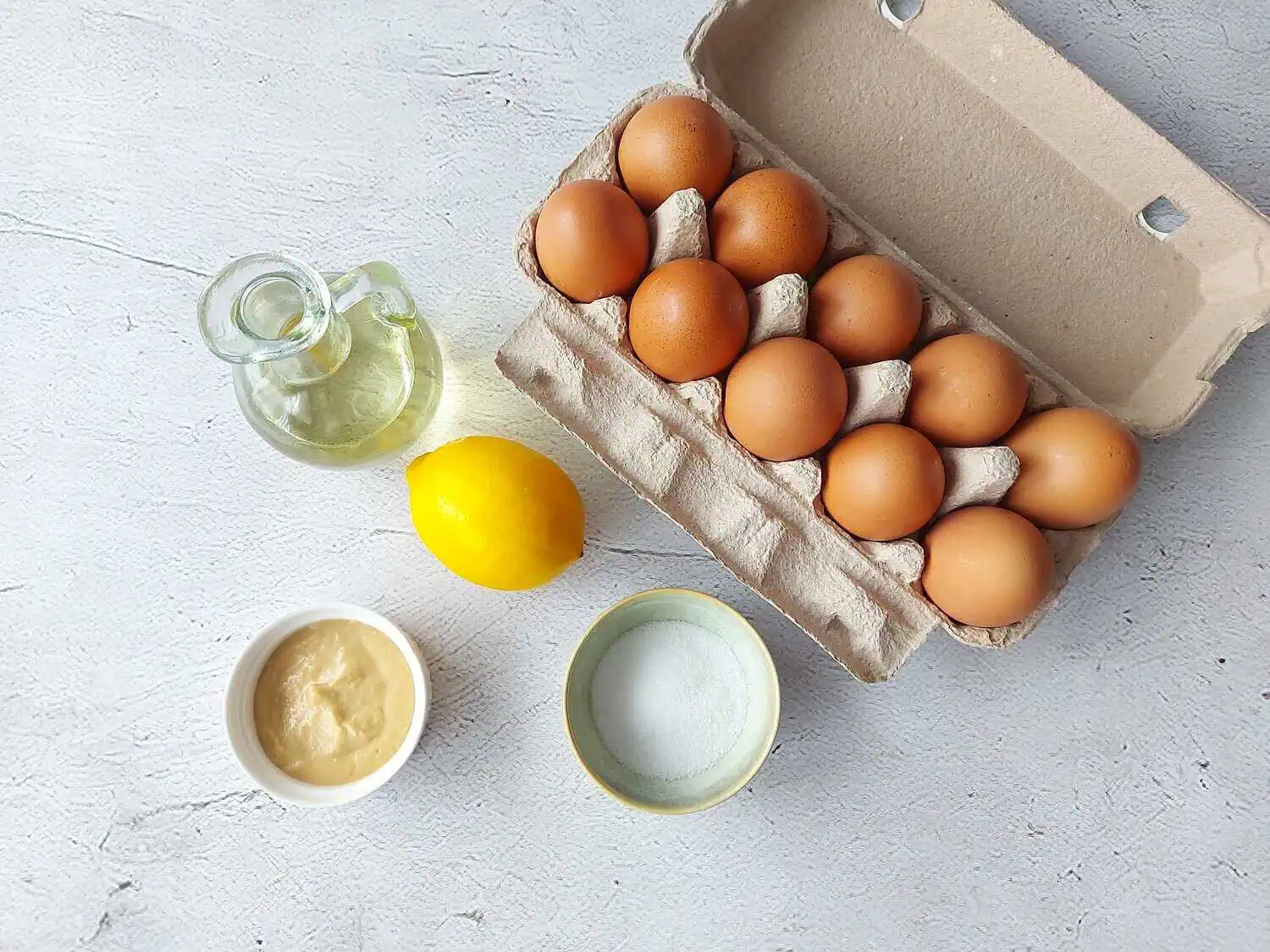
– fresh egg
– neutral-flavored oil – avocado oil, grapeseed oil, sunflower oil, canola oil, etc.
– yellow mustard or Dijon mustard (you can also use dry mustard – replace 1 tsp of mustard powder with 1 TBSP of yellow/Dijon mustard)
– fresh lemon juice
– kosher salt
Classic Mayonnaise Recipe at a Glance
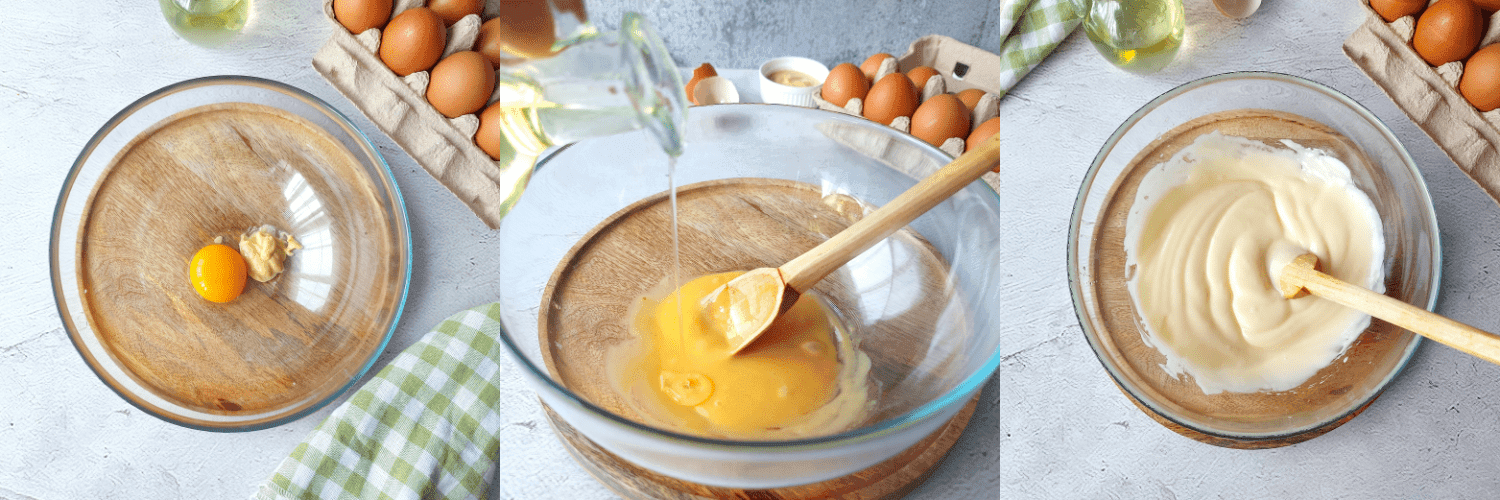
Step-by-step Instructions for This Classic Mayonnaise Recipe
(for the exact measurements, please see the recipe card below)
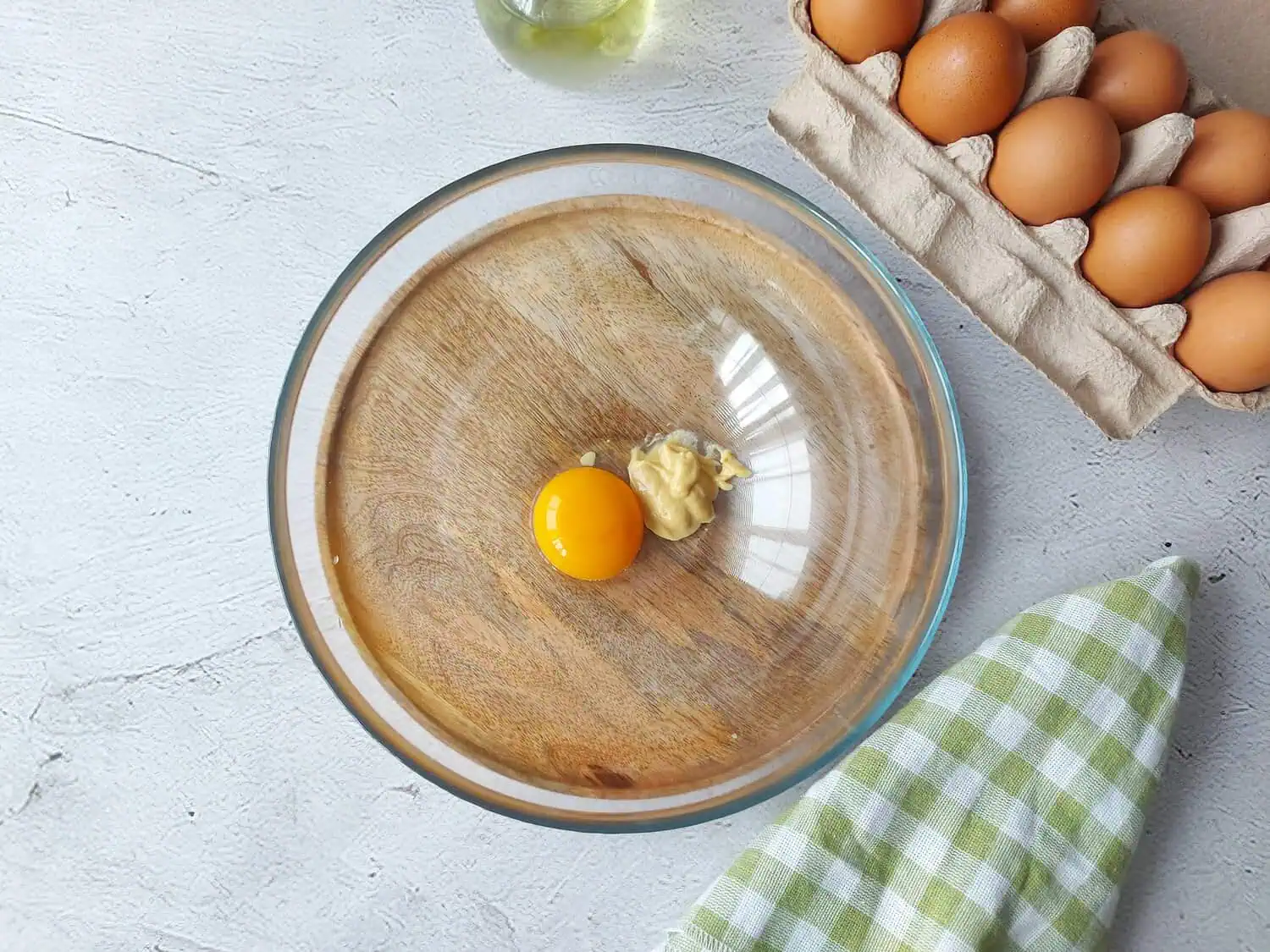
Step 1 – Mix the egg yolk, mustard, and lemon juice
Prepare a medium bowl – use a clean bowl for best results. Add the egg yolk, mustard, and fresh lemon juice, and mix/whisk with a wooden spoon/whisk into a paste to start the emulsification process. You can also use a hand mixer on low speed at first. This gentle start is the only thing that keeps the mixture from turning into a runny mess.
Step 2 – Add just a few drops of oil
Start adding just a few drops of oil at a time, mixing constantly until fully incorporated. Then add a few more drops and keep mixing. Repeat the process until the egg starts to thicken (around 1/2 of your oil).
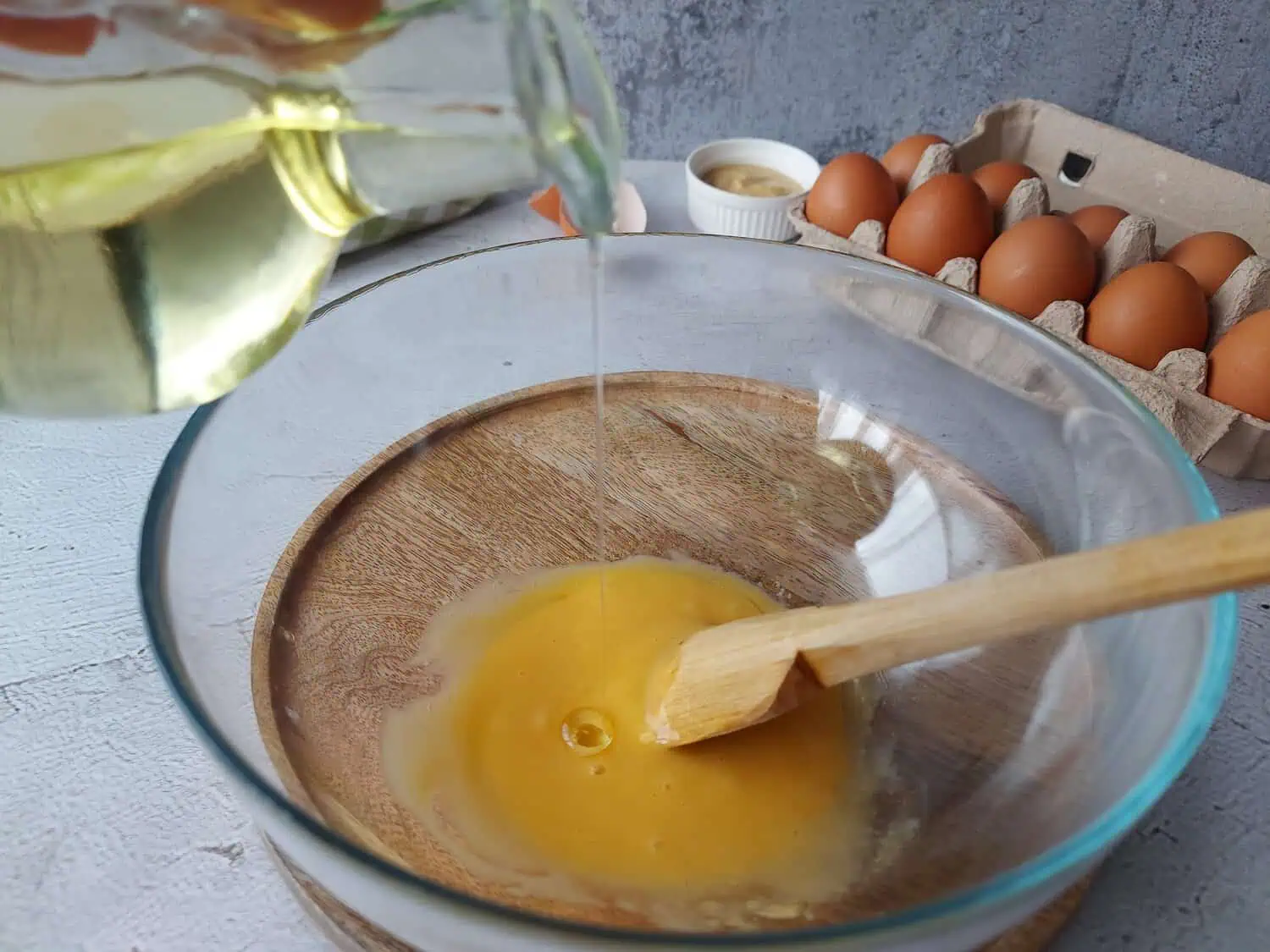
Step 3 – Add the remaining oil in a thin stream
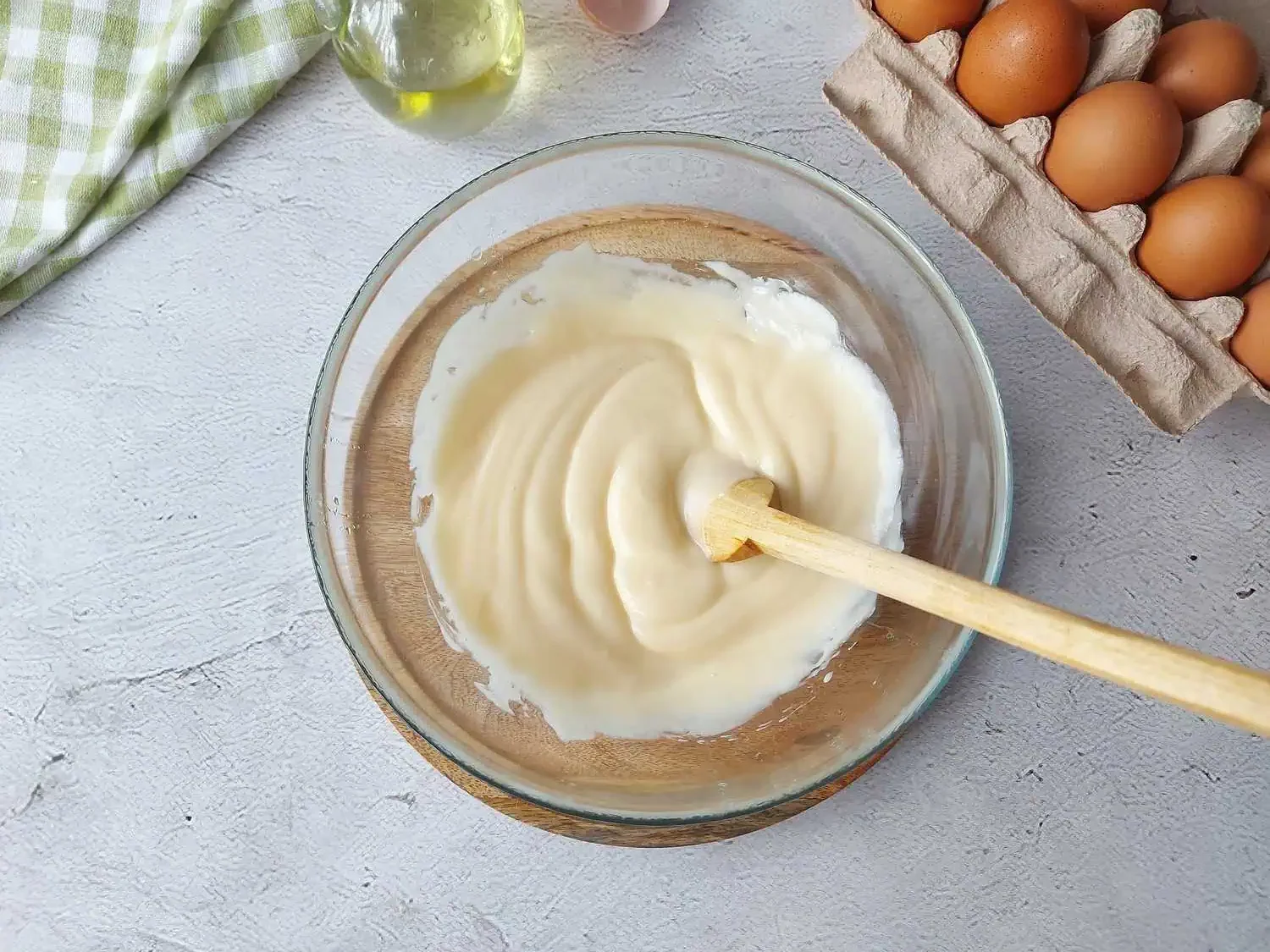
Around halfway through, once the mixture begins to thicken, start adding the remaining oil in a thin stream, stirring constantly. Allow each addition to blend fully before adding more. This steady build is key to forming a creamy mayonnaise. At this point, the mayonnaise is already quite thick. Add 1 tsp of fridge-cold soda (regular) water to loosen it up, stirring until smooth (if you prefer a thick mayonnaise, skip the water and keep adding the oil).
Step 4 – Season to taste
To finish, season your mayonnaise with a pinch of salt or more lemon juice for a tangier sauce. Your homemade mayonnaise is now ready – rich, smooth, and perfect for any recipe!
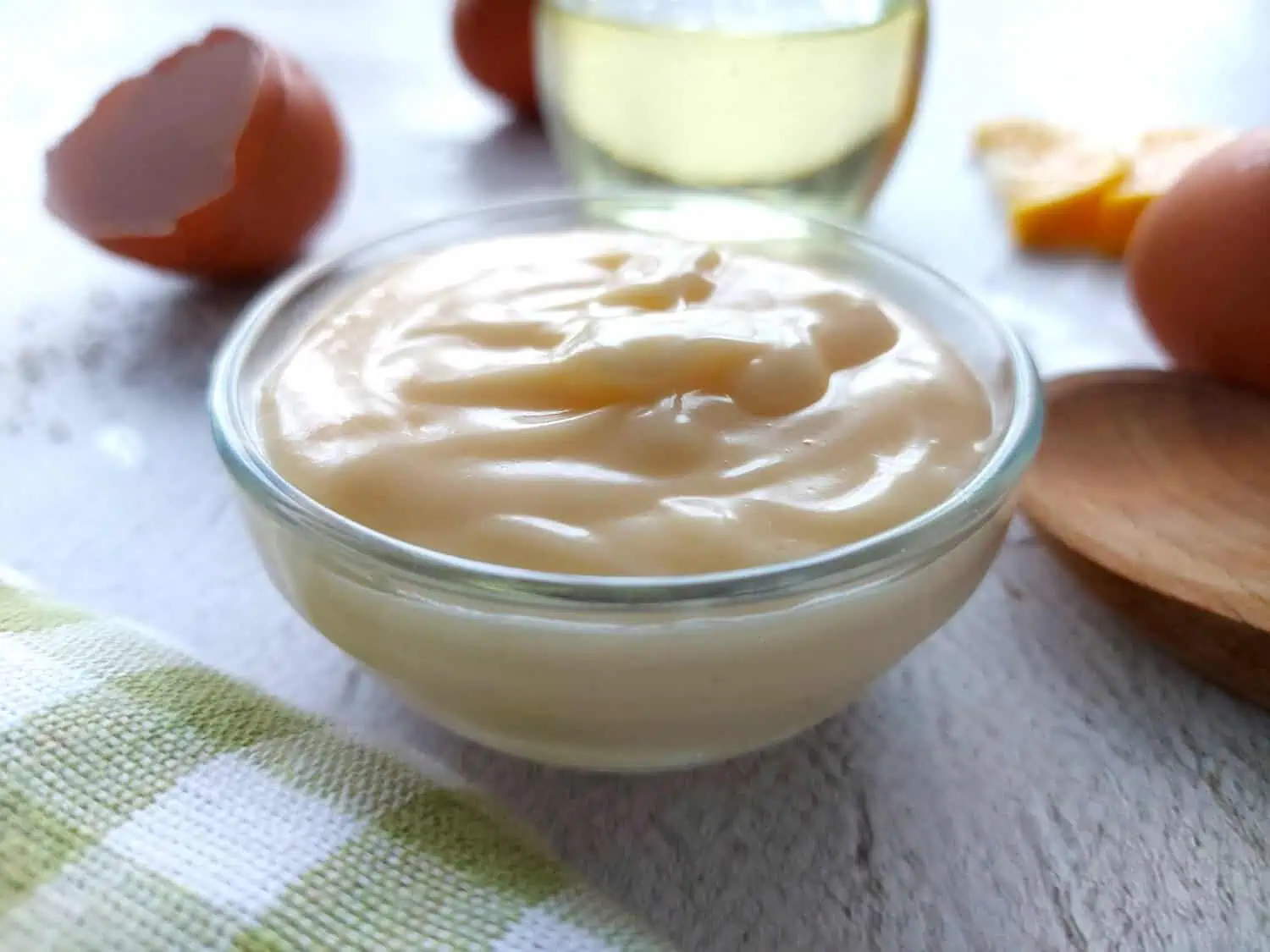
This Classic Mayonnaise Recipe is so easy to make and tastes so much better than anything you’ll find in a jar at the store. Once you make it, there’s really no going back! Perfect on sandwiches, tossed into salads, or as a base for your favorite dressings, I promise this mayo will quickly become a kitchen staple you’ll reach for again and again.
So, if this homemade mayo makes its way into your kitchen (and I really hope it does!), leave a comment below and let me know how it turned out and if it has become your secret weapon for making everything – from salads to sandwiches – taste amazing!
Recipes to Try with This Classic Mayonnaise Recipe
If you’re looking for recipes that pair beautifully with this homemade mayonnaise, here are some reader favorites to try:
- Deviled Eggs Recipe with Bacon (Unexpected Twist!)
- Golden Roast Potatoes with Rosemary and Garlic
- Mom’s Creamy Potato Salad Recipe – Rich and Savory
- Roasted Asparagus with Lemon (Ridiculously Easy)
- BBQ Pork Sandwich Recipe: Juicy, Tender and Delicious
Classic Mayonnaise Recipe (Quick, Easy, and Delicious!)
Ingredients
- 1 egg yolk
- 1 tsp fresh lemon juice
- ½ TBSP yellow mustard (or Dijon mustard)
- 1 - 1 ¼ cup neutral oil (avocado oil, grapeseed oil, sunflower oil, canola oil)
- 1-2 TBSP fridge-cold soda (regular) water
Instructions
- In a medium bowl, add the egg yolk, mustard, and lemon juice and start mixing with a wooden spoon into a paste, to begin the emulsification process. You can also use a hand blender on low speed at first. This gentle start is the only thing that keeps the mixture from turning into a runny mess.
- Start adding just a few drops of oil at a time, mixing constantly until fully incorporated. Then add a few more drops and keep mixing. Repeat the process until the egg starts to thicken (around 1/2 of your oil).
- Around halfway through, the mayonnaise starts to thicken. If you want a thick sauce, continue adding the oil. For a thinner consistency, add 1 tsp of fridge-cold soda (regular) water. This will loosen the egg mixture and make it paler.
- Once you have added half of the oil, mix continuously, add the remaining oil a little more quickly (around 1 tsp), allowing each addition to blend fully before adding more. This steady build is key to forming creamy mayonnaise.
- After adding all the oil, if the mayo is too thick for your taste, add 1 more tablespoon of fridge-cold soda (regular) water. You can add more if you want your mayo to be a more runny mayonnaise.
- To finish, season with a pinch of salt or more lemon juice for a tangier taste.

Leave a Reply